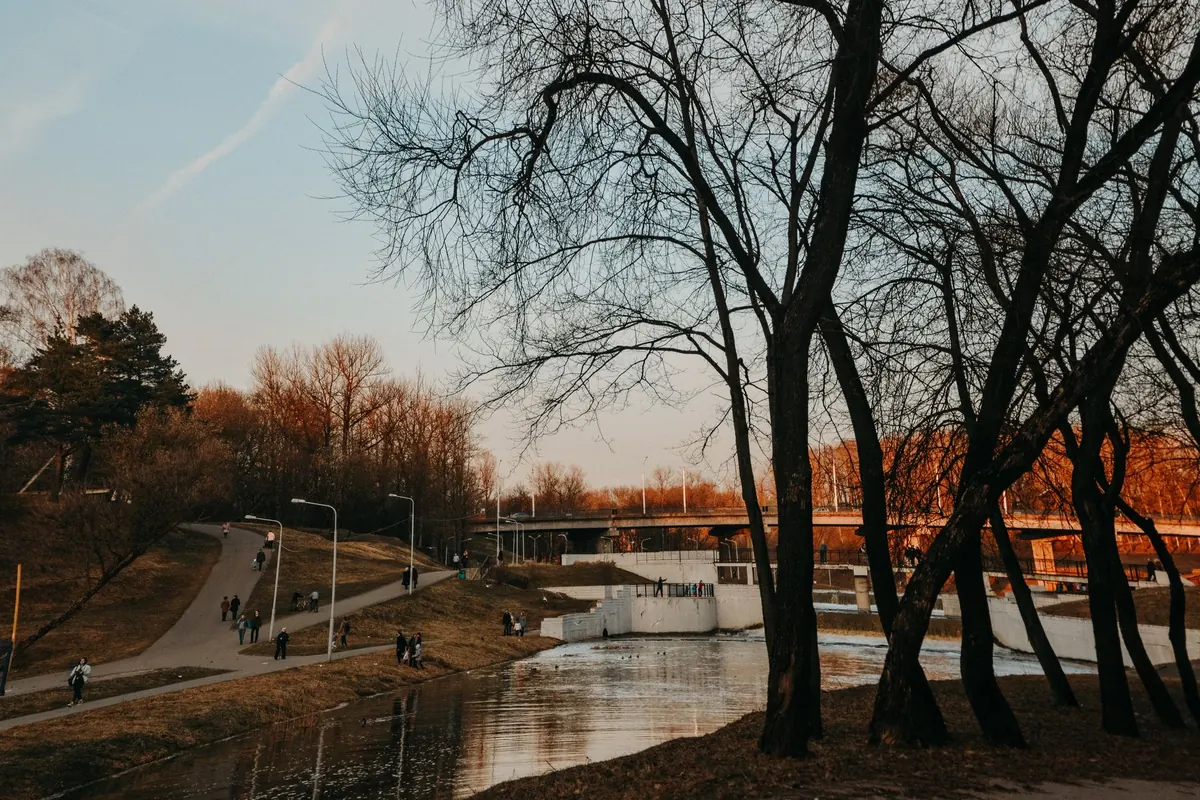
Summer evenings have a way of making an ordinary Tuesday feel like an occasion. The light hangs on, the heat finally lifts, and there is suddenly room in the day for something other than the rush from desk to kitchen to sofa. The habits worth borrowing from places where evenings are taken seriously are not complicated or expensive. A table outside. A small drink before dinner. A walk with no destination. What follows is the beginner's version: the smallest useful steps, plus the details that keep them going past the first enthusiastic week.
Start With the Hour Before Dinner
Most summer evenings fail before dinner is even served, because nobody marked the transition. You close the laptop at seven and are still answering messages at half past. The habit to build first is a plain one: claim the hour before the meal.
Choose a time — 6:30, 7:00, whatever fits — and treat it as the moment the day changes register. Shut the laptop properly. Put the phone in a drawer or on a shelf out of reach. Open the windows and let the flat cool down. If you have a balcony, step onto it and look at the street for two minutes, even if you feel faintly ridiculous doing it. Then set the table.
That last part matters more than it sounds. Setting the table is the physical signal that the evening has started, and it takes under three minutes if the plates and glasses live near the door. Do it before you are hungry, tired and tempted to eat standing up over the sink.
Build an Outdoor Table Worth Sitting At
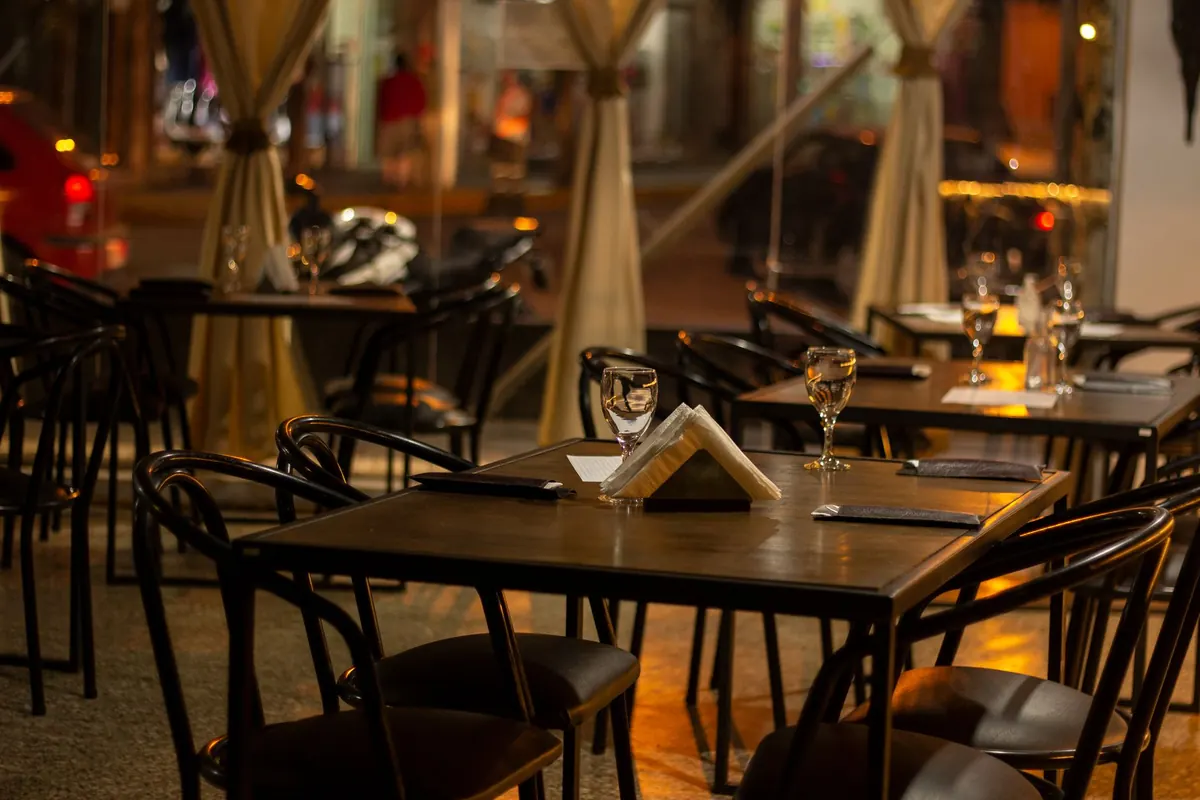
An outdoor meal fails for boring, fixable reasons: harsh light, wobbly chairs, a plate of food going cold while you hunt for a bottle opener. Sort those out once and the whole summer gets easier.
Light, Warm and Low
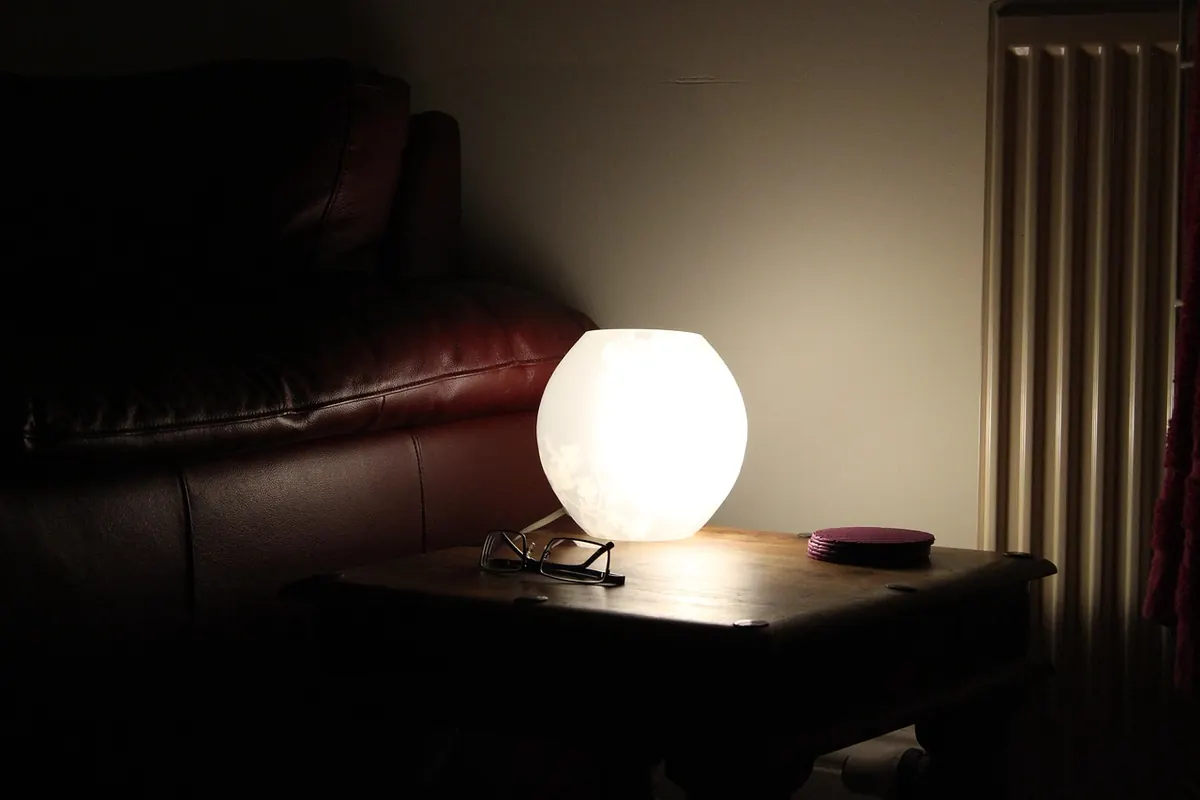
Skip the bright white porch bulb. One low, warm light is enough for a table of four, and a candle or two in a glass jar does the rest. If you eat late, a small battery lamp on the table beats an overhead fixture every time. Keep matches somewhere you can find them in the dark.
The Two-Minute Setup
Keep a single basket or tray with the things you need outside: cloth napkins, a couple of heavy glasses, a bottle opener, salt, a small board for bread. Carry it out in one trip. Weighted napkins and heavier glassware survive a breeze that sends paper cups across the terrace. If your table is small, use one large platter instead of four plates — it uses less space and looks better than it has any right to.
And if you have shade, use it. A parasol or an awning that goes up at five keeps the table usable at seven, when the wall behind you is still radiating heat.
The Aperitivo Habit, Kept Small
This is the easiest of the habits and the one most often overdone. The point is a short pause with a drink and something salty, taken before dinner rather than instead of it. Twenty minutes, thirty at most.
Keep the drink modest and low in alcohol: a spritz, a small beer, sparkling water with a slice of something. If you do not drink, the same ritual works with a bitter soft drink or iced tea in a proper glass — the glass is doing most of the work. Set out olives, a handful of nuts, a few slices of cheese, some bread and oil. Nothing that requires cooking.
Two rules make it stick. First, no screens. Second, stop before you are full, so dinner still matters. If you are hosting, put the food away at a fixed time rather than letting people graze until nine and then wonder why nobody is hungry.
The point is not the food. It is that nobody is in a hurry to leave the table.
Learn to Walk Without a Destination
The evening walk is not exercise and should not be treated as one. It is a slow circuit of your own neighbourhood, taken when the light is good and the streets are half-empty. If walking alone at night in your area does not feel comfortable, walk before dinner instead, or keep to busier streets — the habit is the walking, not the hour.
Here is how to start, in order:
- Pick a loop of twenty to thirty minutes from your own door. Shops, a park, a quiet street with good trees — anything.
- Walk it four evenings in a row. Repetition is the point; you start noticing the small changes.
- Leave the headphones in your pocket for the first ten minutes. Let the street be the soundtrack.
- Walk slower than feels natural. If you are overtaking everyone, slow down again.
- Greet people. A nod is enough. This is the part that turns a walk into a habit you look forward to.
- End somewhere you can sit for a minute — a bench, a low wall, your own front step — before going inside.
Do this after dinner and you will sleep better for reasons that have nothing to do with fitness. Do it before dinner and you will arrive at the table hungry, which is the best seasoning there is.
Eat Later, Eat Longer
Moving dinner back by half an hour can change the shape of an evening, but do it gradually — fifteen minutes at a time over a week or two — and let your appetite adjust. The meal itself should get longer, not larger. On a weeknight, two courses is plenty: something cold or grilled, then fruit, cheese or whatever is in the fridge.
Keep serving dishes on the table so nobody has to get up. Put water within reach. Leave the plates where they are for a while after you have finished, because the conversation after the food is the part you will remember, and it does not happen if everyone stands up the second the forks go down.
The Weeknight Version
Weekends look after themselves. The test is Wednesday. Aim for three outdoor dinners a week rather than seven, and keep a short list of meals that take under twenty minutes: tomatoes with bread and oil, a frittata, grilled vegetables made in advance, a bowl of something cold from the fridge. Cook twice as much on Sunday and eat the rest on Monday outside. The habit survives on convenience, not on enthusiasm.
A Short Checklist for Your First Week
- Choose your evening hour and put the phone away for it.
- Assemble one basket of table things and leave it by the door.
- Buy olives, nuts and something to put in a glass.
- Walk the same short loop four times.
- Shift dinner back by fifteen minutes.
- Invite one person over for a meal you have already cooked before.
Start with two of these, not six. The habits that last through a summer are the ones that fit into a tired evening without any decision-making. Set the table, pour something small, walk the loop, eat slowly. After a few weeks you will stop thinking of it as a routine you are trying out and start thinking of it, simply, as how evenings go.
Photo: Irina Iriser / Pexels