A table booked for half past six feels virtuous. The same meal eaten at ten, after the kitchen has been closed and reopened for you, feels like a small act of rebellion. Both are dinner. Both can be excellent. What changes is what happens afterwards — in your stomach, in your energy, and in the hours you spend asleep.
This is not a lecture about eating before seven or accepting a lifetime of early-bird specials. It's a look at what the clock actually does to a meal, so you can decide when to sit down without guessing.
First, What We Mean by Dinner and Late Supper
The words overlap more than people admit. In much of the English-speaking world, dinner is the main evening meal, usually between six and eight, eaten within an hour or two of getting home. Supper is a word with regional loyalties: in some places it means the same meal, in others it means something lighter and later — soup, bread, cheese, an egg on toast at nine.
For practical purposes, the distinction worth making is about timing and weight, not vocabulary:
- Dinner: the main meal of the day, eaten early enough that you have two or three waking hours before bed.
- Late supper: a meal at nine or later, sometimes the day's largest, often followed by bed within an hour or two.
The variable that matters most is the gap between the last bite and the moment you lie down. That gap shapes digestion and sleep far more than the name on the menu.
What Happens After the Last Bite
Digestion is not a switch. A mixed meal — protein, fat, starch, vegetables — sits in the stomach for a few hours while acid and enzymes break it down, then moves into the small intestine, where most absorption happens. Fat slows the whole process. So does a large volume of food, and so does a rich, heavy sauce. A bowl of minestrone and a slice of bread clears the stomach quite differently from a three-course meal with butter and red meat.
While you're upright and moving, gravity helps. Recline on the sofa or go to bed soon after eating and that help disappears. People prone to heartburn notice this quickly: a late, generous meal is one of the most reliable triggers for a rough night. You may also notice a bloated, heavy feeling that no amount of herbal tea settles.
None of this means a late meal is harmful in itself. It means the size and composition of what you eat at nine o'clock should probably differ from what you'd serve at seven, when you still have errands, a walk, or a couple of hours of conversation ahead of you.
Energy: Steady Evening or a Late Second Wind
An earlier dinner tends to produce a flatter evening. You eat, you digest while you're still active, and you arrive at bedtime neither stuffed nor starving. The risk is the other end of the evening: a light meal at six can leave you foraging in the cupboard at ten, which defeats the purpose. Protein, fibre, and a proper portion are what keep that from happening.
A late supper does something different. A big, rich meal close to bedtime often brings a short burst of heaviness followed by restlessness — the "tired but not sleepy" state familiar to anyone who has eaten well at ten and then stared at the ceiling at midnight. Lighter late suppers, eaten slowly, tend to sit better. Alcohol with a late meal is its own complication: it may help you fall asleep and then fragment the second half of the night.
Sleep: Timing Is Only Half the Story
The common advice is to finish eating two to three hours before bed. It's a reasonable default, not a law of nature. Plenty of people eat at nine and sleep soundly; plenty eat at six and still sleep badly because of stress, caffeine at four in the afternoon, or a screen propped on the pillow.
What the buffer buys you is fairly simple: time for a large meal to move along, less chance of reflux when you lie flat, and a lower likelihood of waking up hungry or overfull. What it costs you is the pleasure of a long table late in the evening, which for some people is the best part of the day.
A few things are worth weighing alongside the clock:
- Volume more than timing. A small late supper is usually easier than a huge early dinner.
- Fat and acid. Rich, fried, or heavily tomato-based dishes late are more likely to push back.
- Fluids. A lot of tea or water after nine can mean a bathroom trip at two.
- Alcohol. Not a sleep aid, whatever it feels like at the time.
- Your own pattern. If late meals have never troubled you, you probably don't need to restructure your life.
If you have reflux, diabetes, or another condition where meal timing matters, get specific guidance from a doctor or dietitian rather than adapting general advice from an article.
When a Late Supper Earns Its Place
Late meals aren't a failure of discipline. They're often the only sensible option. If you finish work at nine, cooking at six isn't realism — it's theatre. In hot climates, eating after sunset is both more comfortable and more sociable. Families with small children sometimes split the evening: an early, simple meal for the kids and a proper supper for the adults once the house is quiet. Athletes training in the evening need food afterwards; a recovery meal at nine beats no meal at all.
The question is rarely "how do I stop eating late" and almost always "how do I make a late meal work better."
How to Shift Dinner Earlier Without Making It Feel Like a Diet
If you'd like to move your main meal earlier — because you sleep better that way, or because the late-heavy pattern leaves you groggy — do it in steps. Trying to jump from ten o'clock to half past six usually ends with a bowl of cereal at eleven.
- Move it thirty minutes at a time. Give each new time a week before shifting again.
- Add a small afternoon anchor. A yoghurt, some fruit, a handful of nuts at four or five takes the edge off so you're not ravenous by seven.
- Keep a late snack in reserve. If hunger arrives at ten, a small planned snack is better than a second dinner.
- Front-load the cooking. Prepare the main part of the meal the night before or in the morning, so an early dinner is easy rather than aspirational.
- Protect the table. A rushed meal at six is not automatically better than a relaxed one at nine. Sitting down properly matters.
A Short Evening Check Before You Choose
Rather than adopting a rule, ask three questions on any given night. How big is this meal likely to be? How long until I'm horizontal? And how do I usually feel the morning after a meal like this, at this hour?
Then run a simple experiment over a week or two: eat your main meal earlier on some nights and later on others, keeping the food roughly similar, and note how you sleep and how you feel at eleven the next morning. Your own pattern will be more useful than any general timetable.
Aim for a default that suits ordinary days — for most people, that means a proper dinner with a couple of hours of evening left afterwards — and let the late supper be a deliberate pleasure rather than a nightly accident. Eat slowly when it's late, keep the portion modest, go easy on the wine, and give yourself at least a little upright time before bed. If sleep or digestion problems persist, that's a conversation for a professional, not a schedule adjustment.
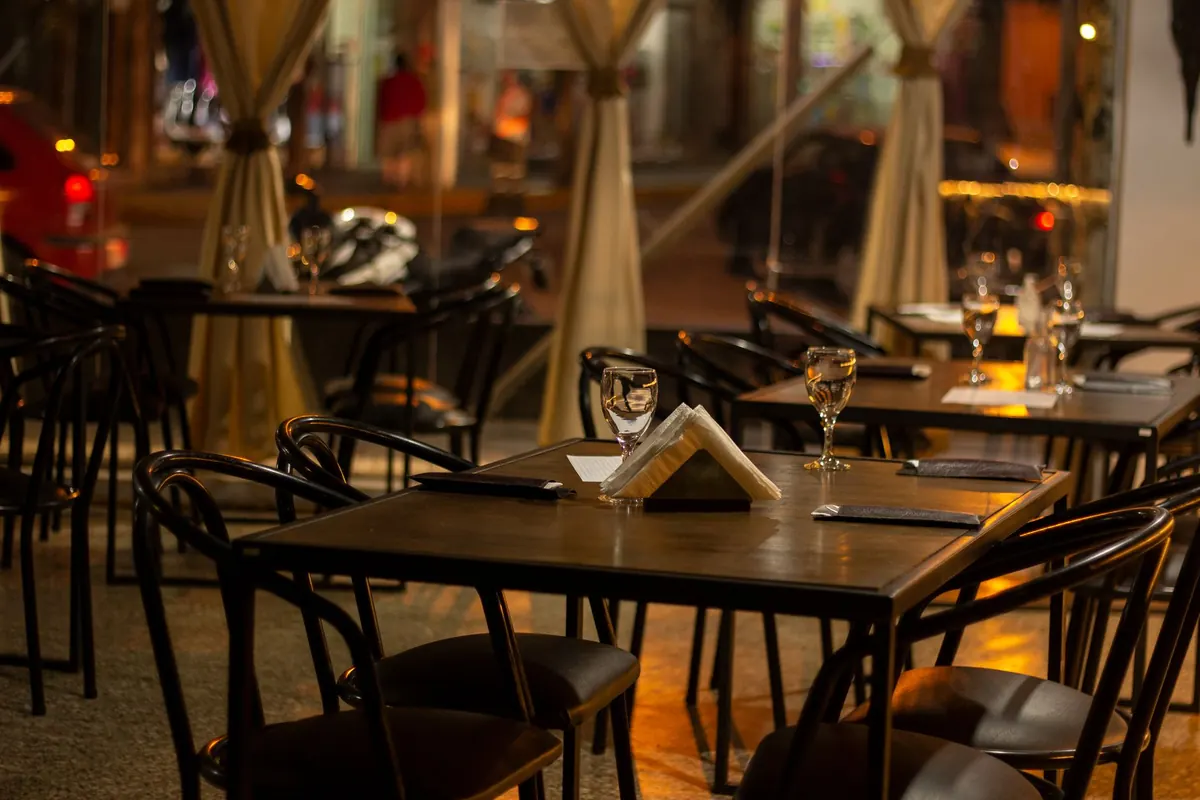
Photo: Hernán Santarelli / Pexels