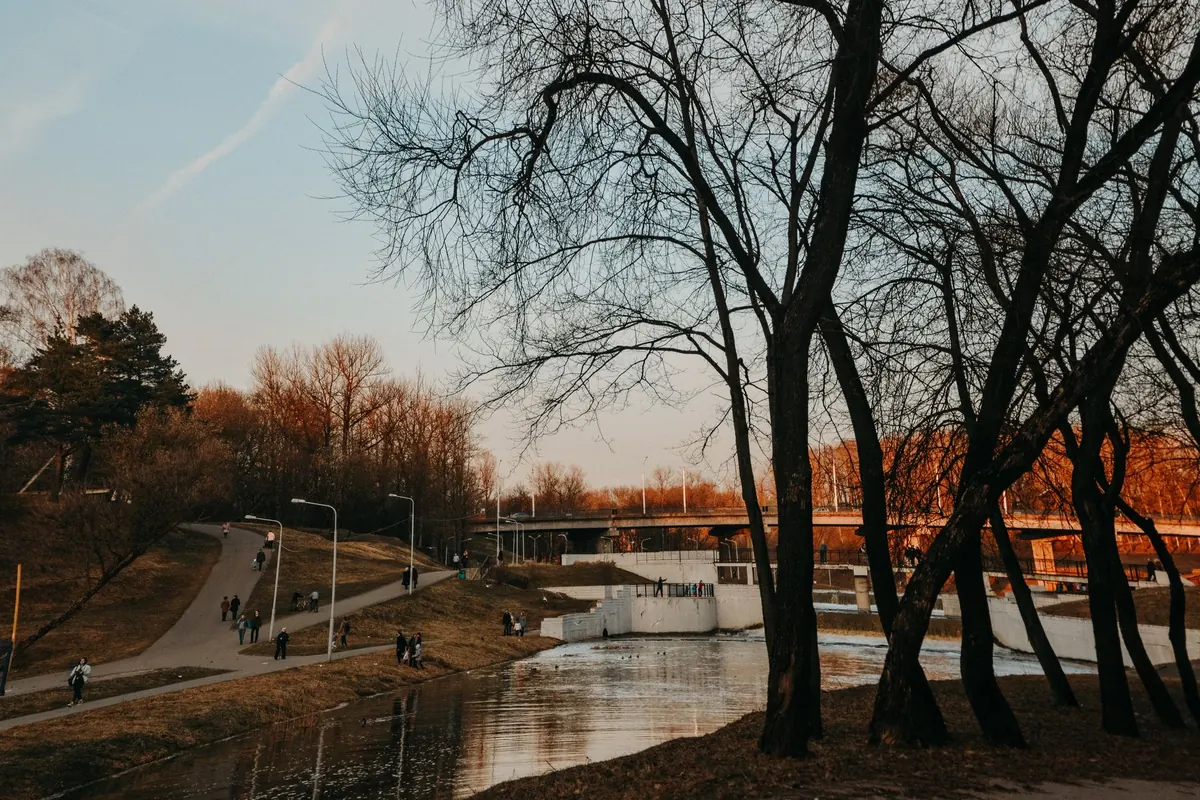
Autumn shows up in the evening first. One week you are eating dinner with the windows open and the sky still pale at nine; the next you are reaching for the lamp at half past six and wondering where the day went. The change is not dramatic, but your evenings feel it. The floor is colder, the light is flatter, and the sofa starts to look like the only sensible destination in the house.
That shift is worth working with rather than against. A few small adjustments — where the light comes from, what you drink, when you head upstairs — can make the darker half of the year feel like the good half: slower, warmer, and considerably more restful than the bright, busy evenings of July.
Notice What the Shorter Days Are Asking For
Summer evenings stretch. You eat late, you go out after dinner, you answer messages at eleven because it still feels like daylight. None of that translates well to a season where darkness arrives before you have finished clearing the plates.
You do not need a stricter personality. You need a schedule that matches the light. Try moving dinner half an hour earlier, closing the kitchen by eight, and treating the hour after that as the beginning of the evening rather than the middle of it. If that feels like too much at once, pick two changes for the first week and let the rest follow.
The cues that matter most are simple: bright light in the morning, dim light after dinner, and a consistent time for getting up. Everything else in this guide is decoration on that frame.
Build a Softer Light Scheme
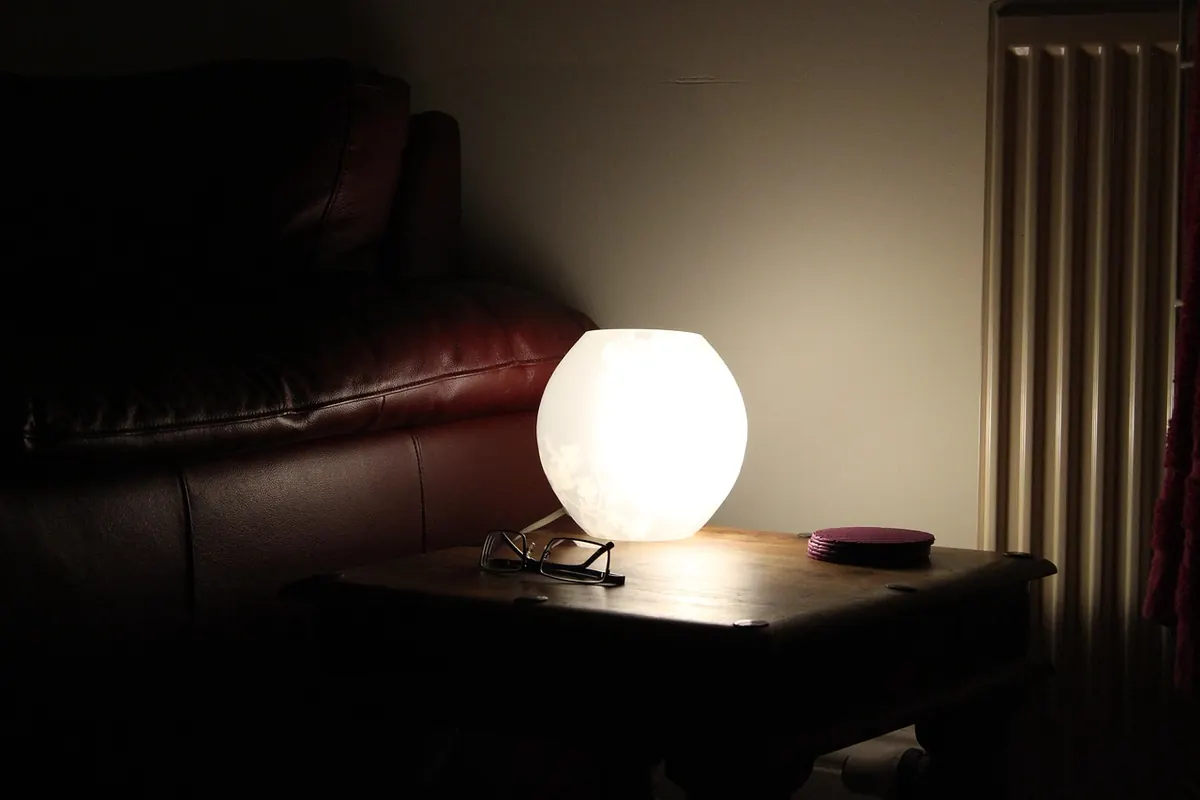
The fastest way to change how an evening feels is to turn off the ceiling light. Overhead bulbs flood a room from above, flatten it, and keep everything in it looking like a place where tasks happen. Lamps do the opposite. They create pools of light, leave corners in shadow, and make a living room look like somewhere you might sit for two hours with a book.
You do not need new furniture. You need two or three low sources of light and the habit of using them. Warm white bulbs — marked around 2700K or lower on the packet — will do more for the atmosphere than any amount of cushion rearranging. A dimmer switch, a floor lamp beside the armchair, and a small lamp on the kitchen counter cost very little and change everything.
Three light rules worth keeping
- Overhead lights go off after dinner. One switch, one habit. If the room suddenly feels too dark, add a lamp rather than reaching back for the ceiling.
- Put a lamp on a timer plug. Coming home to a lit room at half five is a small luxury, and it stops you from flicking on every light in the hall out of habit.
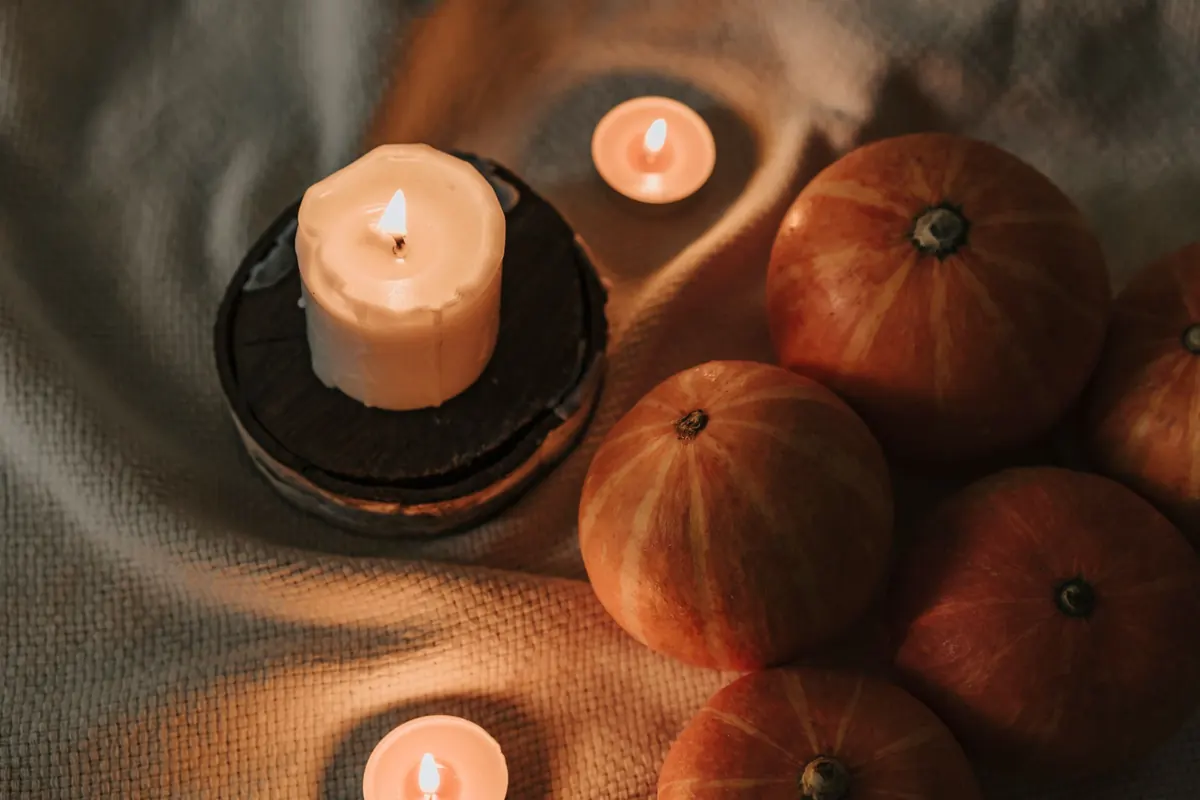
- Never use a bright screen in a dark room. Turn on the lamp behind you, lower the brightness, and give your eyes somewhere else to rest between scrolls. Candles are lovely too, provided they are kept clear of curtains and never left burning when you leave the room.
Warm Drinks That Reward Slowness
The point of an autumn drink is not really the drink. It is the four or five minutes of standing at the counter with the kettle, warming a mug, and doing one thing at a time. That is often the first moment of the day that has no other purpose, and it is worth protecting.
Keep a small shelf of things that make this easy: a jar of honey, a bag of rooibos, a few cinnamon sticks, a knob of ginger in the fridge. Then try any of these.
- Spiced apple. Half a litre of cloudy apple juice, one cinnamon stick, three cloves and a star anise in a small pan. Warm it gently for ten minutes without letting it boil, then ladle it into mugs. The kitchen will smell like a shop that sells candles.
- Ginger and honey. Slice a thumb-sized piece of ginger thinly, pour over just-boiled water, and leave it for five to seven minutes. Stir in honey once it is cool enough to drink, not before.
- Rooibos with cardamom. Two crushed cardamom pods and a rooibos bag in a mug, hot water, a splash of milk at the end. Naturally caffeine-free, which matters after about four in the afternoon.
- Hot milk with honey and nutmeg. Heat it gently, whisk it a little so it goes frothy at the edges, and grate nutmeg over the top. A childhood drink that turns out to work just as well at forty.
Two sensible notes. Keep coffee for the morning, since caffeine lingers long after the taste has gone. And be sceptical of the nightcap: a glass of wine may help you fall asleep and then quietly ruin the second half of the night. If sleep is a persistent problem rather than a seasonal wobble, speak to a doctor rather than experimenting with drinks.
Move Bedtime Earlier by Fifteen Minutes at a Time
The most useful autumn adjustment is also the least fashionable to talk about. In summer, a late bedtime costs you nothing because the mornings are bright. In November, it costs you the daylight you never see.
Do not attempt a heroic leap. Shift your bedtime earlier by fifteen minutes and hold it for three or four nights, then take another fifteen. Keep your wake-up time fixed, and get outside — or at least sit by a bright window — within an hour of getting up. That morning light is what makes the earlier night feel natural rather than enforced.
Keep the bedroom cool and dark, charge the phone in the kitchen if you can bear it, and if you are still wide awake after twenty minutes, get up and read somewhere dim instead of lying there negotiating with the ceiling.
An Hour-Long Wind-Down You Can Actually Keep
Rituals fail when they are too long. This one is deliberately short and forgiving; skip stages as needed, but keep the order.
- 8:30 pm — lights down. Overhead off, lamps on, screen brightness lowered. If you are watching something, watch one thing.
- 8:45 pm — the kitchen. Wash up, wipe the surfaces, set out what you need for the morning. A tidy kitchen makes an ordinary Tuesday feel handled.
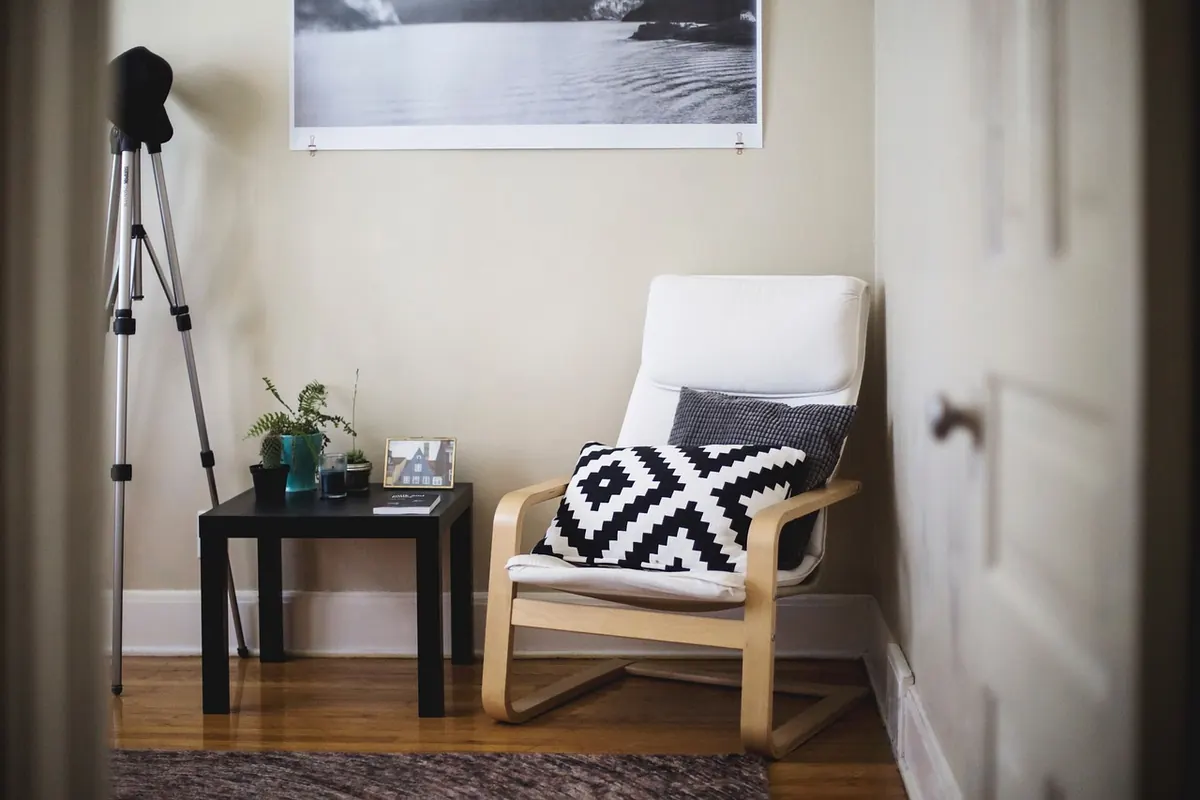
- 9:00 pm — the drink. Make something warm and take it to the chair rather than the desk. Paper book, magazine, or nothing at all.
- 9:45 pm — the small jobs. Shower or wash, lay out tomorrow's clothes, fill a water glass, find the book you are actually reading.
- 10:15 pm — bedroom. Low light, no phone, ten pages. Lights out when your eyes start to argue.
Adjust the times to your household. The sequence matters more than the clock.
Comforts That Make the Evening Feel Kept
A basket of blankets by the sofa is worth more than it sounds. So is a hot water bottle at the foot of the bed, and a pan of water with orange peel and cloves simmering on the hob while you read.
Give the evening one thing to look forward to: a library book you have been saving, a bath on Wednesdays, a forty-minute playlist you only allow yourself after nine. Small, repeatable, slightly indulgent. That combination is what makes a ritual stick when motivation does not.
And put the phone to bed before you go. Not because technology is wicked, but because the last thing you look at tends to be the thing your mind chews on while you are trying to fall asleep.
Start With One Week
Tonight, note two things: the time you actually got into bed, and what you were doing for the hour before that. No judgement, just information.
Then choose one change from this guide — the lamps, the warm drink, the fifteen minutes — and do it for four nights in a row. Add a second change the following week. By mid-October you will have a different evening, built from pieces small enough that you barely noticed them arriving.
Keep what works and drop what feels like homework. The season is long, and the point is not a perfect routine but an evening that leaves you warmer and better rested than the one before it.
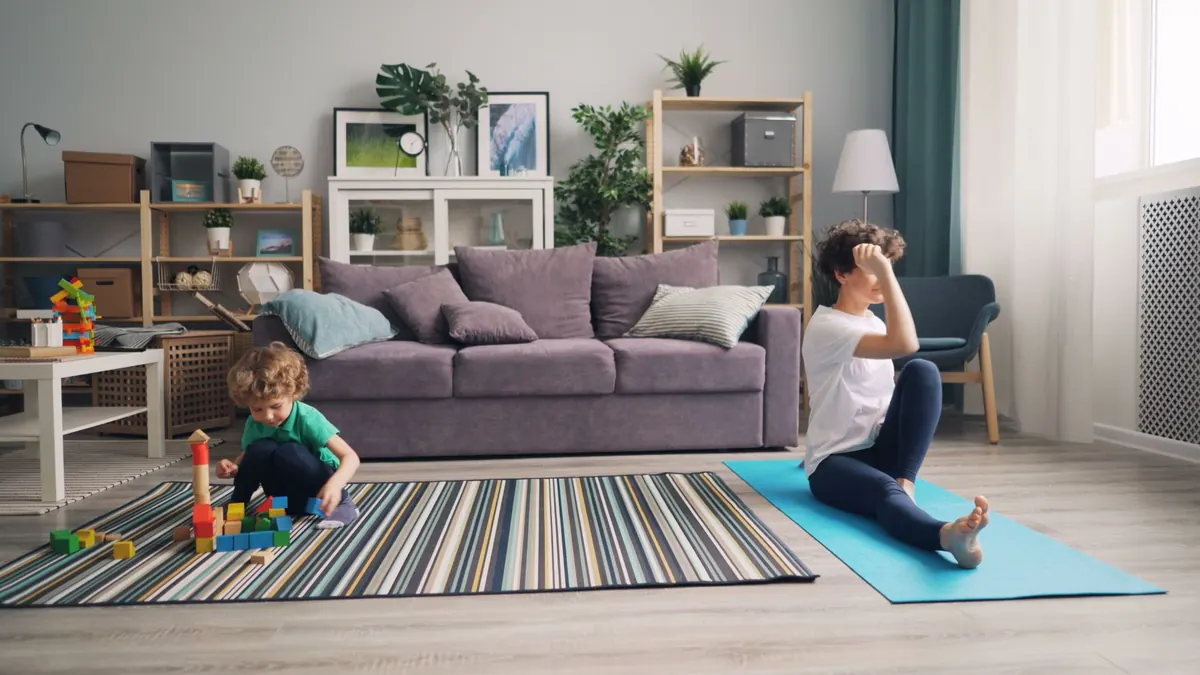
Photo: olia danilevich / Pexels