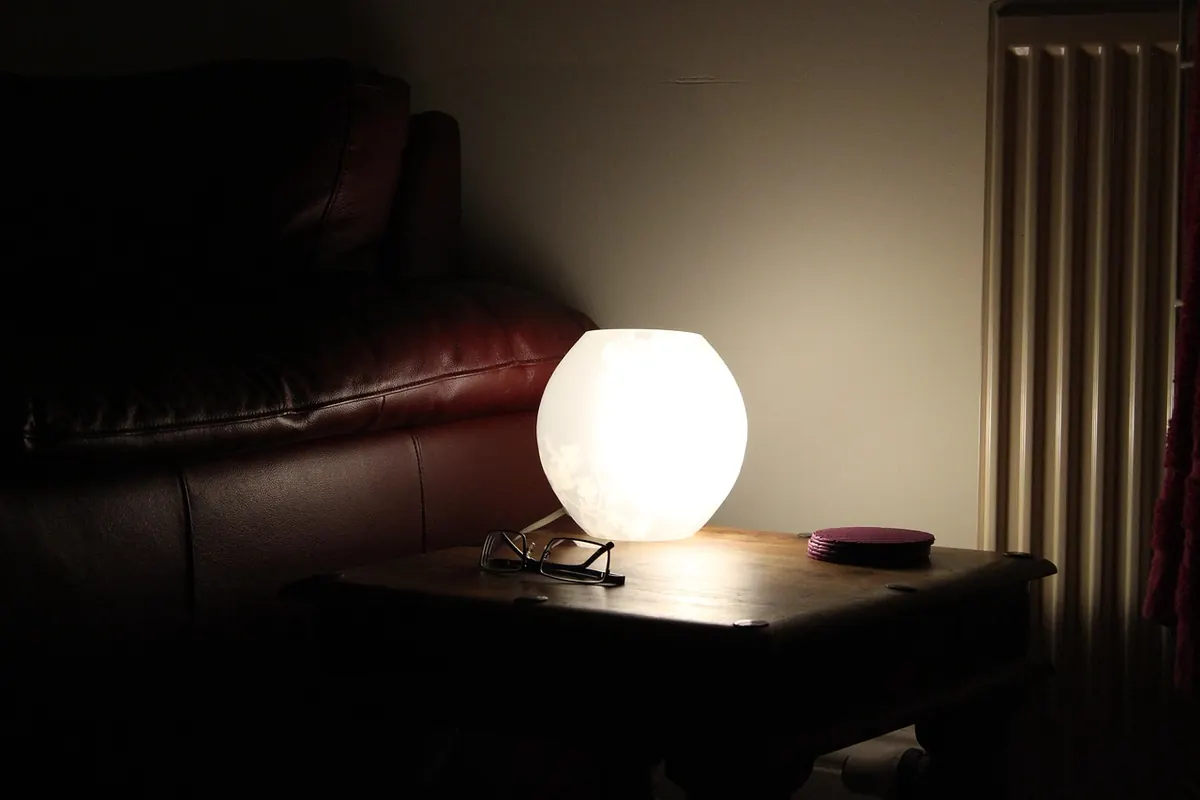
Somewhere between the last email and the toothbrush, the evening routine quietly becomes a second shift. There is a candle to light, a journal to fill, a stretch to hold, a page of fiction, a cup of tea that has to be the right tea. None of it is difficult. But a dozen small obligations stacked at the end of a long day start to feel like a checklist with a bedtime. The tell is the sigh you let out when you remember you still have to wind down. That is not relaxation. That is admin. The fix is rarely to try harder or get up earlier. It is usually to remove steps, move them, or loosen your grip on them.
Too Many Steps, Assembled Too Fast
Most routines collapse under their own ambition rather than under bad habits. You read about a good evening, add one step to yours, then add another the following week. Six weeks later the routine has eleven steps and you skip all of them because you cannot face the sequence.
Cut it down. Choose three anchors: the things that reliably make you feel finished with the day. For many people that means light, temperature and something for the mind, such as a shower, dimmer bulbs and ten pages of a novel. Everything else is optional. If a step has not happened in two weeks, it is not part of your routine. It is part of your wish list. Delete it without guilt and notice whether the evening feels lighter.
Then time the thing honestly. A routine that claims forty-five minutes inside a realistic fifteen-minute window will fail on a Tuesday, and then it will feel like a personal failing rather than simple arithmetic. Build the version that fits the ordinary night, not the ideal one.
Starting the Wind-Down When You Are Already Empty
The routine is often scheduled at the worst possible moment. By half past nine you have spent the day making decisions, and your capacity for one more choice is thin. So the wind-down becomes another item you are too tired to do, and you scroll instead. That is the path of least resistance rather than the best one.
Move the transition earlier, before depletion, and split the routine in two. A short closing shift at eight or half past, before dinner or straight after it, can cover the kitchen reset, the bag by the door and tomorrow's first task on a sticky note. Ten minutes of prep removes the mental load that otherwise follows you to bed. The quiet part can stay late.
If your evenings vary, use rhythm cues instead of clock times: after the kitchen is closed, after the last message is sent, after the children's lights are out. A cue travels with your day better than a timestamp.
Borrowing Someone Else's Routine
Copied routines have a particular feel. They look calm in a photograph and wrong in your flat. A twenty-minute meditation habit lifted from a stranger may be a poor fit if what actually settles you is a hot shower and silence. Ten-step rituals built for different schedules, different homes and different responsibilities do not transfer, and there is no reason they should.
Run an audit for a week. Each night, note in one line what made you feel calmer and what you dreaded. Patterns show up fast. Keep the two things that genuinely help and drop the rest. A routine should fit your energy, your space and the people you live with, not an ideal version of your life.
When Every Step Has a Job to Do
A routine turns into a chore the moment each item acquires a measurable outcome. Journaling becomes processing the day and setting intentions. Reading becomes self-improvement. Stretching becomes mobility work with a plan. That is fine occasionally, but if every minute of the evening is productive, the evening is not rest.
Keep at least one step with no purpose beyond pleasure: a show you do not analyse, a bath, a paperback thriller, a conversation about nothing. It should be genuinely optional in outcome and genuinely protected in practice. If you feel slightly guilty about it, you have found the exact thing to keep.
Where you can, separate maintenance from comfort. Showers, dishes and tomorrow's prep can happen earlier, so that ten in the evening is not a to-do list with a duvet.
Preparation Wearing Relaxation's Coat
Making tomorrow's lunch, folding laundry, sending one last reply: all useful, none restful. Many evening routines quietly become late-night admin, and then the wind-down gets cut because it is a quarter past eleven and you need to sleep. The problem is not the tasks. It is their timing.
Move prep earlier. Lay out clothes while the kettle boils. Write tomorrow's three priorities on an index card before you sit down. When the relaxing half of the evening begins, it is not competing with tomorrow. If prep keeps leaking into the late evening, set a hard stop, such as the kitchen being closed for the night, and treat it as a boundary rather than a personality overhaul.
The All-or-Nothing Trap
Missing one night feels like breaking a streak, so you abandon the whole thing until Monday. The routine is fragile because it is rigid.
Build a minimum version instead, two or three minutes long: brush your teeth, wash your face, lower the lights, put the phone on the other side of the room. That counts. On good nights, do the full version; on bad nights, do the minimum and go to bed. A routine you can complete at your worst is more useful than one you can only manage at your best. Lower the entry cost too. Keep the book on the pillow, the tea where you can see it, the journal open at the right page. Friction is what kills the small stuff, and convenience is design, not laziness.
A Routine You Can Actually Keep
Try a simple shape and adjust it to your schedule: close the kitchen and set out tomorrow's essentials at half past eight; step away from screens around half past nine; shower; read ten pages; lights out. Keep the order, which matters more than the exact minutes: prep, then quiet, then bed.
Before adding anything new, strip the routine back to three anchors and run it for a week. Then use a short filter on every step you are tempted to include:
- Any step you dread every single night
- Any step that exists only because it looked good online
- Any step that requires a decision after nine in the evening
- Any step that quietly turns into another task
The point of an evening routine is not to perform a perfect sequence. It is to give your day a soft landing. Three steps you actually do will always beat ten you admire from a distance. If sleep is a persistent problem, or you find yourself relying on alcohol or screens to get drowsy, speak to a doctor rather than redesigning your evening around it.
Photo: 1388843 / Pixabay