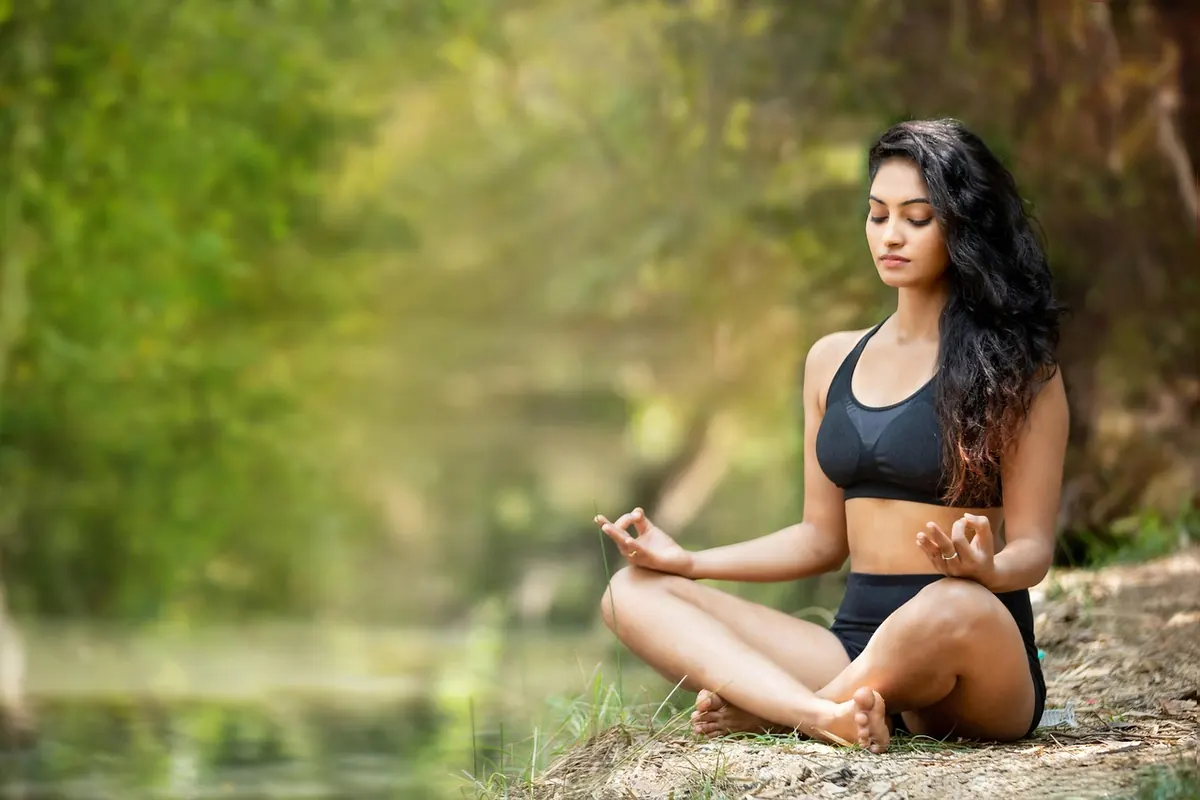
Most evenings don't end the way we plan. You finish the dishes, answer two last messages, and then sit on the sofa with a phone in one hand and a vague sense that you should be winding down. The body is tired; the mind is still running errands. That gap between physical tiredness and mental quiet is where relaxation techniques earn their keep.
Three methods come up again and again, and they're all free, quiet, and possible in pajamas: focused breathing, the body scan, and progressive muscle relaxation. They look similar on paper and get lumped together under "just relax," but they do different jobs. One calms the breath, one trains attention to travel slowly, and one works through tension directly. Knowing which to reach for makes the difference between a technique that helps and one that feels like another task on your list.
Three Methods, Three Different Jobs
Breathing exercises work fast and travel well. They're the ones you can do on a bus, in a waiting room, or in bed with the lights already off. Body scans are slower and better suited to a proper pause, ideally lying down. Progressive muscle relaxation sits between them: it takes about ten minutes, asks a little more of you physically, and often produces the most obvious shift in how heavy your limbs feel afterward.
None of them requires an app, a cushion, or a quiet house. All three work better when you stop grading yourself. If your attention wanders, that's part of the practice, not a failure of it.
Breathing: The Fast Reset
Breathing techniques work because the breath is one of the few body functions that runs automatically but can also be steered. Lengthening the exhale tends to feel settling for most people. You don't need to believe anything mystical about it; you just need to slow the pace enough that your body reads the change.
The simplest version: breathe in through the nose for a count of four, then out for a count of six. Keep the inhale easy rather than deep, so you don't create tension in the shoulders. Repeat for two or three minutes. If counting feels fiddly, use a phrase instead, or trace the outline of one hand with your thumb, inhaling as you go up a finger and exhaling as you come down.
How to try it tonight
- Sit or lie somewhere you can let your shoulders drop.
- Rest one hand on your belly, lightly, and breathe in for four counts.
- Breathe out for six, letting the hand fall.
- Continue for ten rounds, then stop counting and sit for a minute.
Breathing is the best first choice when you're wired but short on time, or when your mind is too busy for anything that involves sustained attention. It's also useful as a doorway into the other two methods. Two minutes of slow exhaling makes a body scan much easier to settle into.
One caveat: if you have a respiratory condition, panic disorder, or feel dizzy when you deliberately slow your breath, keep it gentle and short, and check with a doctor if it keeps happening. Nothing here is a substitute for medical advice.
Body Scan: The Slow Inventory
A body scan is a guided tour of physical sensation, from feet to scalp or the reverse. You're not trying to relax each part or fix anything. You're just noticing: warmth, weight, contact with the mattress, a faint buzz in the calves, tightness behind the eyes. The relaxation tends to arrive as a side effect of paying that kind of attention.
Set aside eight to ten minutes. Lie on your back with a blanket over you, arms slightly away from your sides. Start at the toes of the left foot and move upward in small increments, spending maybe twenty seconds in each area. When you reach the top of your head, finish by feeling the whole body at once for a few breaths.
The common frustration is boredom, or the sense that nothing is happening. That's normal. Sensation is subtle, and the mind would rather rehearse tomorrow's conversation. When you notice you've drifted, return to wherever you last remember being. That return is the practice. If you fall asleep halfway through, that's not a failed scan; it's a successful evening.
Choose a body scan when you have time and a horizontal surface, and when the problem is a body that feels restless but a mind that's too tired to think. It's also a good option for people who dislike the effort of tensing muscles.
Progressive Muscle Relaxation: Tense, Then Release
Progressive muscle relaxation, usually shortened to PMR, uses contrast. You deliberately tense a muscle group for about five seconds, notice the sensation, then release for ten to fifteen seconds and feel the difference. The point isn't a workout. Use roughly sixty to seventy percent of your strength, enough to feel it clearly without straining.
Work through the body in a fixed order so you don't have to decide what's next: hands and forearms, upper arms, shoulders, face, neck, chest, stomach, hips, thighs, calves, feet. Curl your hands into loose fists, shrug your shoulders toward your ears, scrunch your face, and so on. Breathe normally throughout. At the end, lie still for a minute and notice the heaviness.
PMR suits evenings when you feel physically tense, when your jaw or shoulders have been clenched since lunch, or when your mind resists quiet sitting. Having a concrete task to do gives a restless brain something to hold on to. Skip or soften any area that's injured, and if you have a condition that makes muscle tensing unwise, ask a physiotherapist or doctor what's safe for you.
Side by Side: Which One Fits Tonight
- You have three minutes and a busy head: breathing. Four in, six out, ten rounds.
- You have ten minutes and a bed: body scan. Blanket on, start at the feet, no fixing.
- You feel clenched and restless: PMR. Tense and release, group by group.
- You can't stop replaying the day: breathing first to settle, then a short body scan.
- You're already half asleep: don't start a technique. Let yourself go.
A word on expectations. These methods are quiet skills, not switches. The first few attempts often feel mechanical, and that's fine. What tends to improve is not the intensity of the relaxation but your ability to notice tension earlier, which is most of the benefit.
Start Small, and Pick One
Choose a single method and use it for a week rather than rotating through all three. Two minutes of slow breathing before you brush your teeth, or a body scan on the floor next to the bed, is enough to build the habit. Anchor it to something you already do at night so it doesn't depend on remembering.
Keep the setup minimal: dim light, phone in another room if you can manage it, and a blanket within reach. If you'd like a small record, note one word after each session — "settled," "restless," "sleepy" — and after a week you'll see which method earns its place in your evening. If sleep problems or persistent anxiety are the real issue, these techniques are a reasonable companion to proper help, not a replacement for it, so consider talking to a doctor.
Tonight, pick the one that matches the mood you're actually in, set a quiet timer for five minutes, and begin. The rest can wait until tomorrow.
Photo: Anilsharma26 / Pixabay