Cooking for one has a reputation problem. It gets filed under effort, or leftovers, or a plate eaten standing up over the sink. None of that is required. A weeknight dinner for one can be a twenty-minute operation involving one pan, three ingredients and a chair you actually sit in. The trick is not finding a more impressive recipe. It is lowering the bar in the right places — fewer components, less chopping, a little more salt than feels reasonable — and treating the meal as a meal rather than a gap between the end of work and the start of sleep. What follows is the plain version. The one you can use on a Tuesday, when you are tired, hungry, and the fridge is thin.
Decide Before You’re Hungry
Hunger makes bad decisions. It reaches for delivery apps, or cereal, or nothing at all. Planning works best at a neutral moment — Sunday afternoon, or a quiet ten minutes before you leave for the shop — when you are not yet hungry and can think clearly about what you actually want to eat.
Keep it small. You do not need seven dinners mapped out. Pick two that sound genuinely good, then buy for those two plus one backup that requires no thought: eggs, a bag of frozen peas, a tin of beans, good bread. That backup is what saves you on the night everything falls apart.
Shopping for one takes a little discipline. Buy vegetables loose rather than in family-sized bags, ask for a smaller piece at the counter, and lean on things that keep: cabbage, carrots, onions, potatoes, frozen spinach. A single sad courgette wilting in the drawer is a small tragedy; a head of cabbage that lasts two weeks is an asset.
Before you shop, look in the fridge. Not a deep clean — just a glance. Half a lemon, three mushrooms, the end of a block of cheese. Those are ingredients, not clutter, and building dinner around them is the cheapest cooking habit there is.
Learn One Formula Instead of Ten Recipes
Recipes are instructions; formulas are skills. Once you can assemble a plate from three moving parts, you can cook without opening anything.
- Something fast and savoury. A chicken thigh, a piece of fish, two eggs, a handful of prawns, a block of firm tofu, a few slices of halloumi, some chickpeas crisped in oil.
- Something green or fresh. Whatever is in the drawer, cooked briefly or not at all — greens wilted in the hot pan, cucumber sliced and salted, tomatoes with a pinch of sugar and vinegar.
- Something warm and filling. Rice, pasta, a baked potato, couscous, toast, noodles, a flatbread warmed in the pan.
Then pick one flavour direction and commit. Garlic and lemon with olive oil. Soy, ginger and a little honey. Cumin, chilli and yoghurt. Butter and black pepper. A single direction is what makes three separate items taste like a dinner rather than a plate of unrelated food.
This is also how you stop wasting things. That formula will absorb nearly any vegetable, any leftover grain, any protein you have. You are not improvising wildly; you are filling three slots.
A Template You Can Cook Tonight
Here is the sequence I would give anyone cooking their first proper weeknight meal for one. It uses one pan and one pot, or one pan and a bowl if you are being strict about the washing up.
- Start the pan first. Set a frying pan over medium-high heat before you chop anything. By the time the onion is sliced, the pan is ready. This single habit cuts five minutes off every dinner you will ever make.
- Get the slow thing going. Rice, pasta or potatoes take the longest, so they go on first, salted, with the lid on. Set a timer rather than trusting your memory.
- Season the protein properly. Salt it on both sides and pat it dry. Dry food browns; wet food steams. Lay it in the hot oiled pan and then leave it alone for a few minutes. Moving food around constantly is the most common beginner mistake.
- Use the same pan for the vegetables. Lift the protein onto a plate, add the greens to the fat that is already there, and cook them for two or three minutes. They will pick up everything the meat left behind.
- Finish with something sharp. A squeeze of lemon, a splash of vinegar, a spoon of yoghurt, a grating of cheese, a pinch of chilli. It is the difference between food that is fine and food you would happily order again.
- Taste before you sit down. One forkful, standing at the hob. If it tastes flat, it almost always needs salt or acid, in that order.
If Something Goes Wrong
It usually does, and it rarely matters. Burnt edges can be scraped off. Overcooked vegetables can be blitzed into a sauce or folded into rice. Undercooked potatoes can go back in the pan with a splash of water and a lid. A dish that is too salty can be rescued with a spoon of yoghurt, a squeeze of lemon, or by serving it with plain starch. Dinner is forgiving. Treat it that way.
Leftovers Are a Tool, Not an Obligation
Cooking for one produces leftovers whether you plan for it or not, and the trick is deciding in advance whether you are happy about that. Some food genuinely improves overnight: stews, curries, soups, roasted vegetables, anything tomato-based. Some food does not: cooked fish, crisp greens, fried eggs.
So cook deliberately. Make two portions of the thing that reheats well and one portion of everything else. Portion it into a container the moment you finish eating, before you sit down again — that way it becomes tomorrow’s lunch rather than something you pick at all evening.
And be honest about your limit. If three days of the same dinner would make you miserable, cook once and eat it once. Wasting a little food is annoying; dreading your own kitchen is worse.
Clean as You Go — or at Least Soak the Pan
Cleanup stress is what stops most people cooking at all. The fix is not discipline; it is sequence. Fill the sink with hot soapy water before you start. Anything you finish using goes straight in. The two minutes of waiting for the pan to heat is time you can spend wiping a surface.
Use fewer things. One board, one knife, one pan, one pot. Rinse the board while the food rests. And when you finish cooking, put the hot pan under the tap with a drop of soap and leave it while you eat. It will practically clean itself by the time you come back. That single habit makes the whole enterprise feel manageable on a weeknight.
Sit Down and Eat It
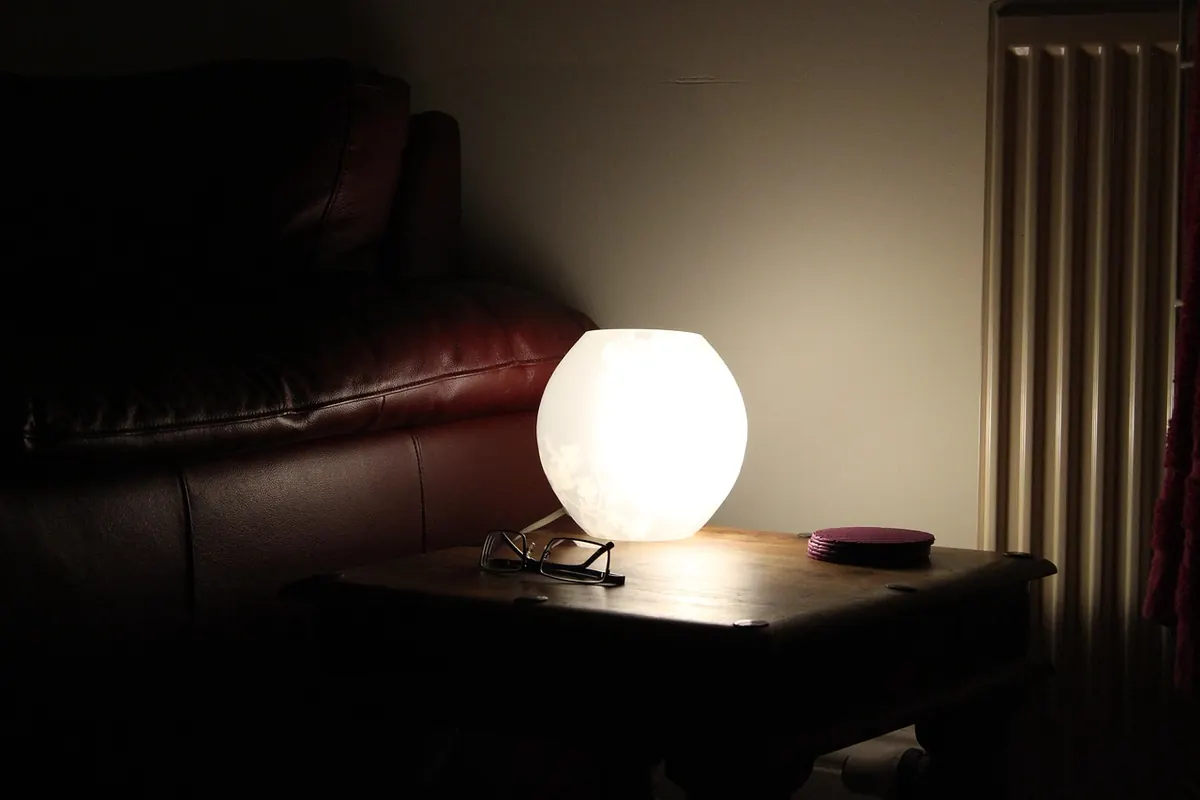
Dinner for one deserves a table. Not a formal setting — a cleared surface and a real plate will do — but the small act of sitting down changes how the meal feels. Put the phone in another room, or at least face down. Pour something, even water, into a glass. Light a lamp instead of the overhead light if it makes the room kinder.
This is not about luxury. It is about giving the evening a hinge. The day ends somewhere, and dinner is a good place to let it. Ten minutes of eating without a screen is often the most restorative part of the night.
A Small Ritual Worth Keeping
Start this week with one dinner. Choose it before you are hungry, buy for two nights and one backup, and cook it using the pan-first habit. Sit down with it. Soak the pan. That is the whole method, and it holds up whether you are cooking for one by circumstance or by preference. Once a weeknight dinner feels ordinary rather than ambitious, you have the only skill that matters here: the willingness to do it again on Thursday.
Photo: TerriC / Pixabay